

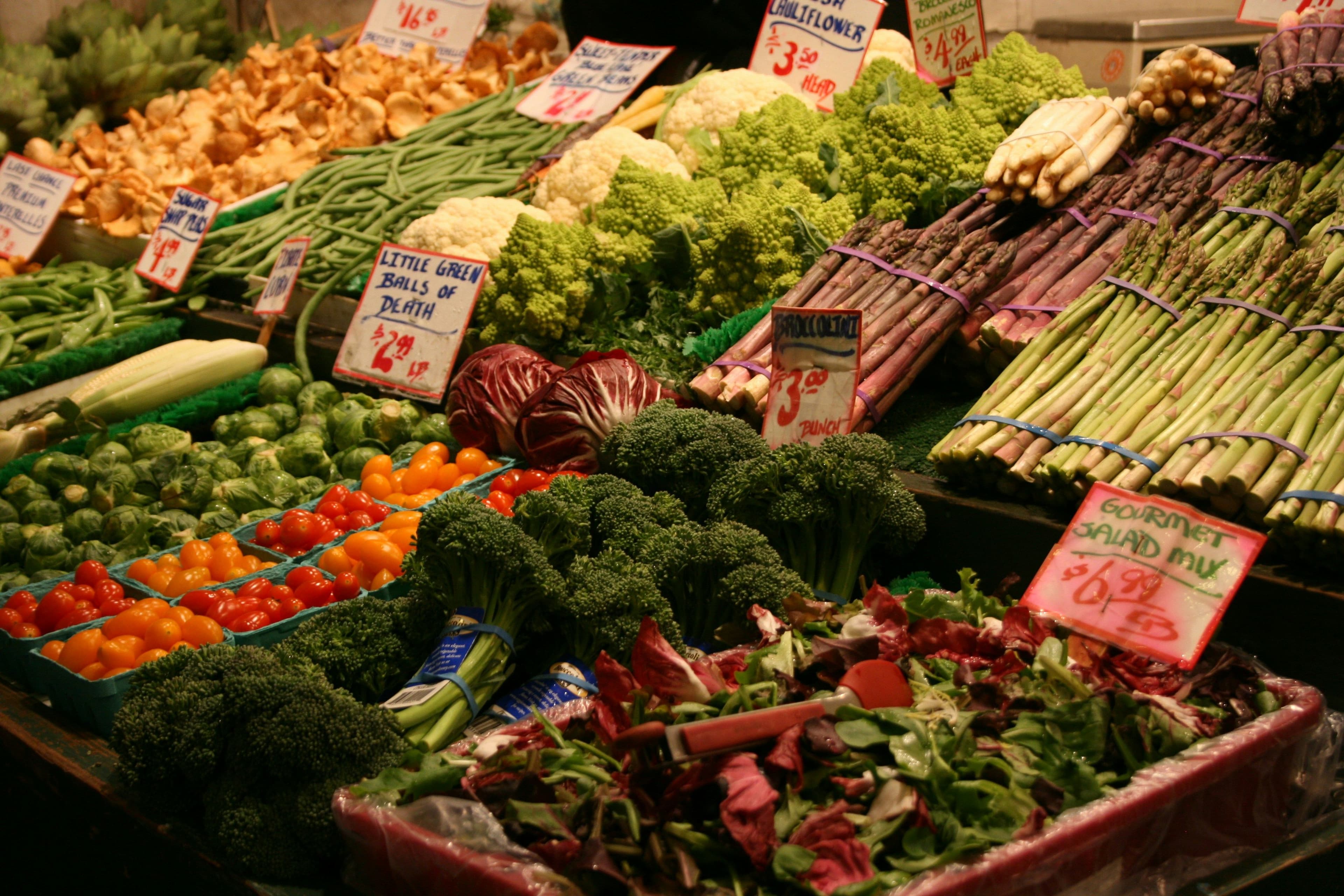
Fake milk, drinks, frozen fish, and even bread are being produced in unsafe, unhygienic environments using harmful chemicals like potassium bromate, formalin, and even sniper. These dangerous practices are driving a rise in cancer and serious illnesses. But there’s a solution—modern tools like QR codes and AI-powered apps can quickly verify genuine products approved by NAFDAC, helping people make safer choices instantly.
A Silent Danger in Everyday Markets
Nigeria’s markets are loud, busy, and full of life—but hidden beneath the noise is a quiet danger many families face every day.
It starts with something simple: a mother buying milk, bread, or frozen fish for her family. Everything looks normal. The packaging is neat, the prices are affordable. But behind some of these products are dirty rooms, unsafe chemicals, and people cutting corners just to make money.
The Reality Behind Fake Foods
Across places like Aba, Lagos, Kano, and Onitsha, authorities have uncovered shocking truths. Entire warehouses producing fake drinks. Expired products being washed, repackaged, and resold. Bread baked with harmful chemicals just to make it rise faster. Fish preserved with toxic substances to keep it looking fresh.
These products are made in unsafe environments—dirty floors, open gutters, and unhygienic conditions—yet they still end up on people’s tables.
The Hidden Health Crisis
What makes it worse is that these foods don’t just taste bad—they slowly harm the body.
Children drinking fake milk miss out on nutrients their bodies need to grow. Families eating contaminated fish and meat unknowingly expose themselves to chemicals that damage the liver and kidneys. Some drinks even contain substances that can cause blindness.
Over time, these small, daily exposures build up, leading to serious illnesses like cancer, diabetes, and organ failure.
lightbulb_circleKey Insight
Real Stories, Real Consequences And the scariest part? Most people can’t tell the difference. A trader in Lagos might unknowingly sell yogurt made from expired products rinsed in unsafe water. A family in Enugu might cook fish treated with dangerous preservatives. A child in Kano might drink juice that slowly damages their eyesight. These are not rare stories—they are happening every day.

Technology: A New Line of Defense
But there is hope.
Technology is beginning to offer a way out of this crisis. Imagine walking into a shop, picking up a product, and simply scanning it with your phone. Instantly, you see where it was made, what it contains, and whether it’s safe.
Organizations like NAFDAC are already working on systems that use QR codes and digital tracking to verify genuine products. With tools like blockchain, once a product is registered, it becomes almost impossible to fake its origin.
Even more advanced solutions are emerging. Mobile apps powered by AI can help detect harmful chemicals using just your phone camera. Sensors can alert regulators when unsafe ingredients are used. Simple SMS systems can help people in rural areas verify products without needing internet access.
If properly implemented, these solutions could eliminate a huge percentage of fake products from the market and restore trust in what people eat.
Why Action Must Be Taken Now
But technology alone isn’t enough.
There must be strong enforcement, real consequences for offenders, and proper education for everyday Nigerians. Market traders need to learn how to use these tools. Consumers need to be aware. And corruption in enforcement must be tackled head-on.
Because if nothing changes, the consequences will be severe—more illness, rising healthcare costs, and a growing distrust in locally made products.
A Safer Future Is Possible
But if action is taken now, the outcome could be powerful.
Safer markets. Healthier families. A stronger economy. And a future where Nigerians can eat without fear.
Final Message
This is no longer just about food—it’s about survival.
The solution is in our hands.
Scan before you buy.
Tagged in